- 42 Posts
- 204 Comments
Joined 3 years ago
Cake day: June 16th, 2023
You are not logged in. If you use a Fediverse account that is able to follow users, you can follow this user.



 91·10 days ago
Fuck Carney. We were promised Chinese EVs and we get Nazi American shit cars.
 1474·11 days ago
The macOS port, built by New York-based developer Andrey Letov using AI-assisted development workflows…
Yeah now I can see why he’s unhappy with it.
 3·11 days ago
Thanks - that was interesting and informative, if a little depressing.
Maybe Linux phones are less secure but more private? With Android and iOS a lot of effort has been put into restricting what each application can do. With standard Linux that’s less rigorously controlled, which is why there are security enhancements and sandboxing extras a distro can optionally add. So standard Linux may be less secure by default. But it doesn’t have all the surveillance built in that the mainstream phone OSs do, so it’s also by default more private.
Still, “security nightmare” sounds extreme. Wouldn’t a phone running a version of Debian be comparably secure to a computer running it?

To be fair, the article is 9 years old and things could have changed in the meantime.

AKA “Microsoft’s QA”.


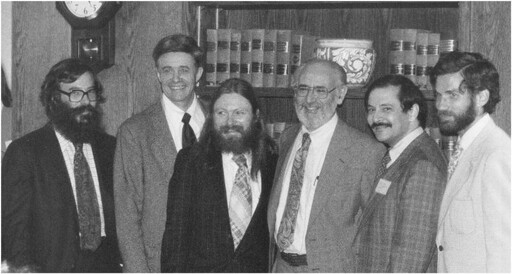
When it does a different crazy thing every time and you have no idea why, it means you’re a genius and have created life.
AI is a misnomer. It’s artificial stupidity.

 1·2 months ago
Brazil has something similar. Other US states are working on it. And the UK, some EU countries, Australia and others are pushing for the same. This won’t be just California for long: it’s a worldwide push to make it impossible to do anything involving a computer without first disclosing your real identity to the authorities.
https://www.tomsguide.com/computing/vpns/online-age-verification-a-complete-global-timeline
It wouldn’t be easy to ban desktop Linux without inadvertently banning Linux servers and IoT devices. So we should let them walk into this quagmire and get bogged down with an impossible task, instead of capitulating at the first opportunity.
 1·2 months ago
So I guess you’re saying you use “controversial” in a normative sense while I’m using it in a descriptive sense. We’re talking at slightly cross purposes. Maybe in itself this shouldn’t be controversial, but the political context in which it appears makes people worry.
I would say that if it causes a controversy then it is controversial, even if some people think it shouldn’t be.
uncontroversial
Evidently not, as shown by all the forks.
The article lists some of them.

I don’t know whether you’re right about inevitable dependencies, but surely reducing fossil fuel use to the essentials would still be a huge and worthwhile improvement? It feels like your argument is needlessly suggesting an all-or-nothing approach.

Time for a fork?

Of course, this is not only about Ubuntu, Fedora, or Linux Mint, as it would apply to all GNU/Linux distributions, desktop environments, and application hubs lke Flathub or Snap Store, which will have to comply with the upcoming law in the near future in some way, especially since similar laws have already been proposed in other US states, including New York and Colorado.
This is likely to have an impact on all Linux distros, one way or another.
 1·2 months ago
deleted by creator
And you are expected to estimate how long the work will take, but you’re only allowed to say that it will done by tomorrow.






Do we have evidence that Tesla’s manufacturing in China has better labour practices than others like BYD?