I guess you just need to know the right people. The whiteboard interview process has been broken for many years, yet no one wants to fix it, because it favors companies and gives recruiters plausible deniability. For me it was either getting hired on the spot after submitting CV and meeting the project manager, or rounds of useless interviews with 100% rejection at the end.


pelya
- 0 Posts
- 96 Comments
Joined 3 years ago
Cake day: July 3rd, 2023
You are not logged in. If you use a Fediverse account that is able to follow users, you can follow this user.
You’ll be a middle software developer in six months, switching jobs at this point will get your salary increase by 30%
I guess it depends on the location. In Ukraine you could probably change jobs every six months and still have people wishing to hire you.
The education can be very hit or miss. The best way to learn is to work on an actual embedded project, as a junior or whatever, but you need to have at least some skill, so - hobby projects.
Universities with CS programs tend to teach generic programming and algorithms, but no skills how to assemble your own robot. If you choose some practical courses in a trade school it would be better, but again, many commercial courses stop being useful after first two months, because teaching people is less profitable than actually working, so the teachers do it by the book.
I’ve never met a poor embedded software developer, it’s an awesome choice if you have skills for it.
Especially if you can solder and use multimeter even on a beginner level, and a special bonus if you can design circuit boards. These skills need sonething around one-two weeks to get to a basic level.
 3·6 days ago
More like garbage dispenser.
Pro C++ coders don’t use
delete, they callabort()
I mean, yes it can, but installing any packages won’t work. Every binary that you wish to run on Android 10 or higher must be included inside the app, so
aptnaturally fails, and compiling your code inside Termux will also fail.
Yeah I can, but soon I won’t, because Google will block all apps not installed from Play Store, and Termux cannot be compiled for new Android versions because of Android ‘security’
Available only on select Pixel phones, and the virtualization API that makes it possible is available only to preinstalled system apps.
So no, you cannot install Ubuntu image onto your Samsung phone, you specifically need to buy the newest Pixel.
I am deeply disappointed in the Android flavor of Linux. 17 years of development, and your phone still does not have a terminal app built into the OS.
Justice for the 5.25" floppy disk! It had an actual hole inside, which would fit your finger! You could see it’s a disk and not a weird shaped square box, and you could hear it’s rotating.
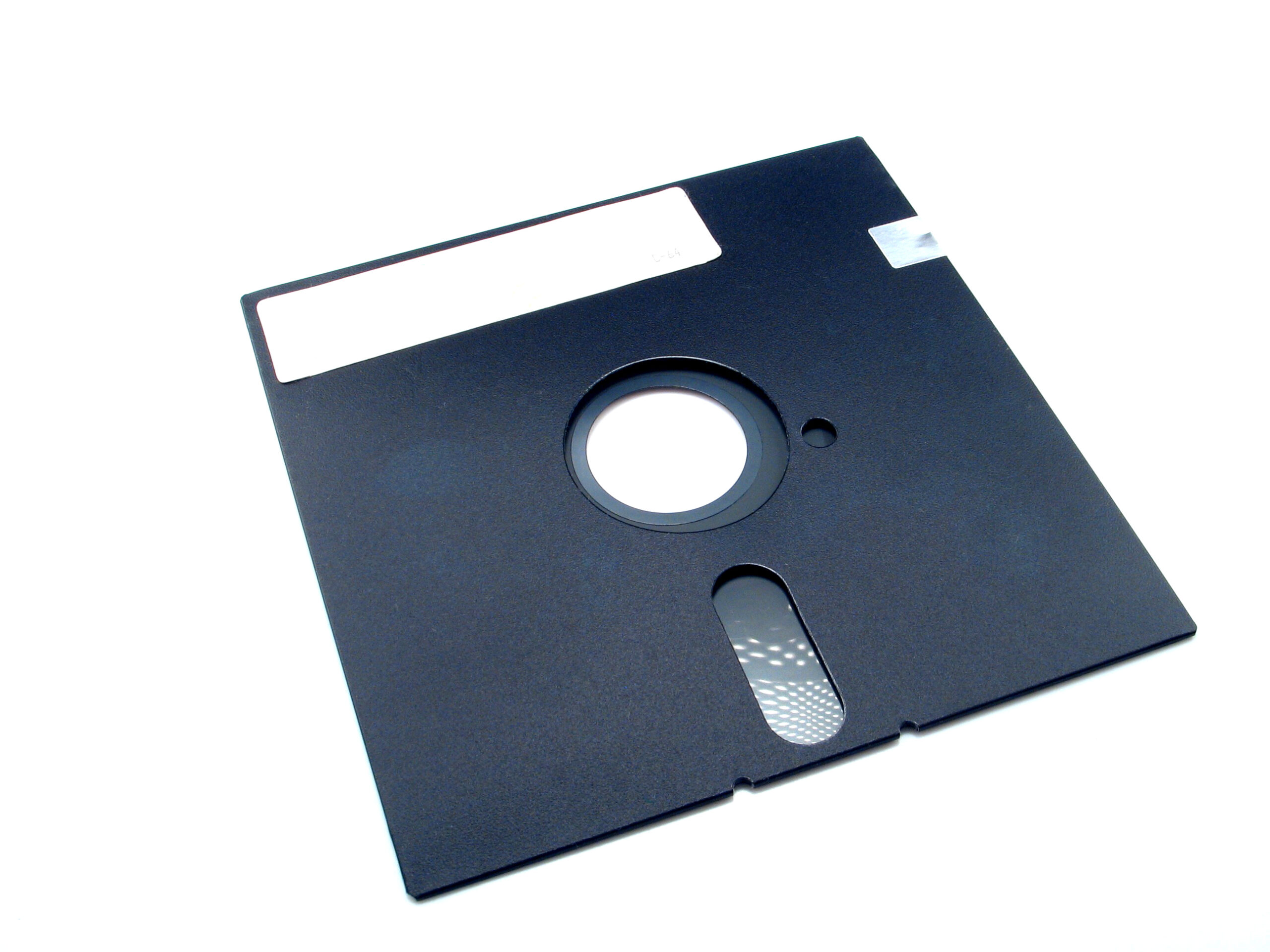

That corner cutout is grossly exagerrated. In the actual floppy disk (which is also not floppy anymore) the cutout is tiny.
 22·26 days ago
Compared to rants Linus is famous for, this is polite.
Laughs in 15 virtual desktops
Forums got replaced by reddit and stackoverflow, which both turned to shit after gaining dominance.
Stackoverflow still can answer most of the Linux administration questions that do not involve writing a custom piece of software.
https://man7.org/linux/man-pages/man3/mbsrtowcs.3.html
https://man7.org/linux/man-pages/man3/strxfrm.3.html
https://man7.org/linux/man-pages/man3/wcstold.3p.html
https://man7.org/linux/man-pages/man3/wcscoll.3p.html
wcsollin the picture is an error, unless it’s Welsh.
So, like, regular Debian?
Ubuntu Frame now supports multiple applications on a single display
Sounds like they invented a window manager.
 31·2 months ago
Please don’t implement the text version of OpenTTD

I didn’t think it was possible to invent a worse format than .gif for moving pictures.
Congratulations!