

As I understand it, they do have one more season…
spoiler
which a lot of people think will end with the first interstellar ship, or even first contact. It did feel like they wanted to cram in more than their episode allotment would allow this season, and a lot seemed undercooked. Like, they barely touched on Dev’s role in the automation plans, just assuming we’d infer that the crazy Mars-first guy who’s basically embezzling from his publicly traded company to build more infrastrucure for colonization actually needed to learn that “the right people were already on Mars.” In retrospect, I do kind of appreciate that the farm dome attack was a disaster because he couldn’t imagine life happening in Happy Valley. Not a bad idea, just didn’t have the breathing space it needed to land.
Then, as you say, Jarrett/Stevens was assumed to be interesting because of her family, not because she had anything really compelling to learn or do, and her arc with learning to hate Marsies and then overcoming it was almost laughably compressed. I did think the Baldwin family’s stuff was okay, and I like Alex more than most people do. Also, thank God they didn’t drag Ed and his age makeup through the entire season.
So, I generally agree with you. They’re sprinting through their plot outline to get to their end-game, and the “one season per decade” framing device is creaking under the weight of what they want to do.






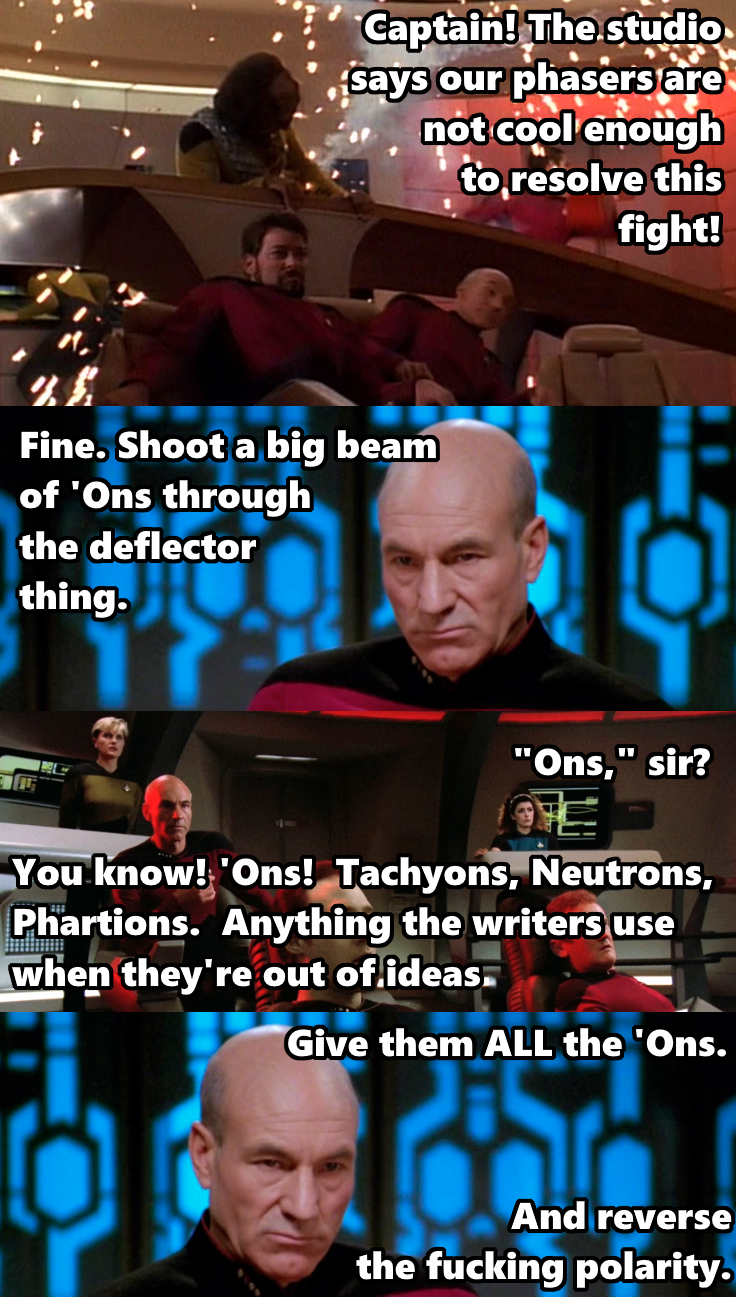
Patrick Stewart was also deeply involved in the creative decisions on Picard seasons 1 and 2. He got to the point where he just wanted to do what he wanted to do, and since he is Jean-Luc Picard, what he wants is ipso facto the right choice:
Sometimes you do not want your actor actually in charge of their iconic character, and genuine embrace of it can manage to make it worse if they’re not writers. I will do my occasional hornet’s-nest kicking and say that Mark Hamill’s take on Luke Skywalker after filming The Last Jedi was similarly myopic, but in a direction that more fans at least think they wanted, and since we’ll never see his choices play out he still gets the benefit of the doubt.