

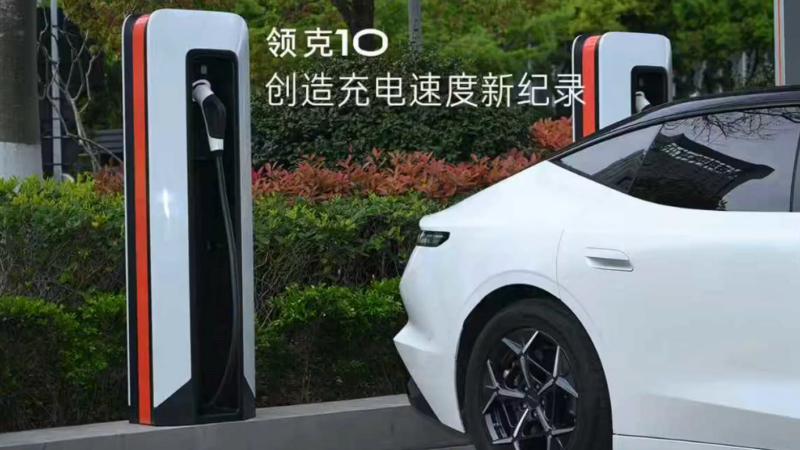
The peak charging power during the test reached 1100kW, and even after the battery reached 80% SOC, it still maintained over 500kW.
The peak charging power during the test reached 1100kW, and even after the battery reached 80% SOC, it still maintained over 500kW.
Pushing 18.3kW a minute is not going to end well when these vehicles age. These batteries are going to carry a stupid amount of power for no good reason. In a crash , all that energy will want to short to ground.
Isn’t that also true of literal gasoline?
A 15-gallon tank of gasoline has about 1800 megajoules or 500 kWh stored, ready to combust when mixed with oxygen and heat.
You crash test the actual modules and make sure it doesn’t short when encountering highway crash forces, same as you do for gasoline tanks.
Gasoline needs a precise air/fuel ratio to ignite, it doesn’t have a huge potential to want to transfer energy away to anything in proximity.
this makes no sense. If you have fast charging, why do you need a big battery?
Yes, and it forms fumes in those ratios as soon as it spills. A puddle of gasoline is flammable. And once it ignites, it creates a runaway condition where the heat output of the reaction ignites the fuel around it, too.
Road trips. Being able to drive 4-5 hours between stops is better than being able to drive 2-3 hours, even if you don’t have to stop for all that long. Small fuel tanks are annoying in gasoline powered vehicles, even if a fill up can be less than 3 minutes.