It wasn’t considered as gendered, as referring to humanity as “man” is a holdover from when “man” wasn’t ever gendered; we don’t have any recordings of it specifically referring to males until around 1000 CE.
The old words for male/female were “wer” (see: werewolf) and “wīf”, the latter of which diverged into “wifmann” (“female human”), later “woman”, and “wife”, specifically referring to a married woman. You still see “wife” used without implication of marriage status in words like “midwife”.
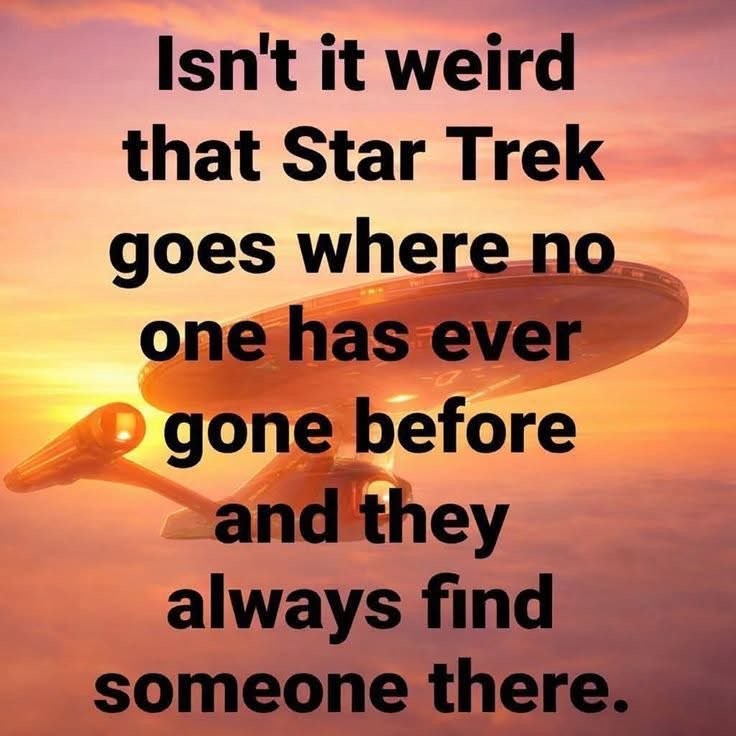
Anyway tl;dr “man” historically wasn’t gendered, hence it commonly being used to refer to humanity as a whole even in modern use. Also it more accurately states that no humans have been there before, rather than discounting present natives.
Edit: also, as another comment played on, this was used as wordplay in the Lord of the Rings, in which humanity is referred to as “the race of man”, where a prophecy refers to no man being able to defeat one of the antagonists but doesn’t specify that a woman can’t.
Very late response, but I was thinking back to this and realized that, to be pedantic, yeah, female lycanthropes should actually be called wifwolves, or something to that effect; a woman becoming a werewolf would include turning into a man, if the root words are taken literally.
Kinda like how female automatons should technically be gynoids, not androids, because “andro-” means “male” in Greek, like “wer-” in English, but language doesn’t always evolve neatly like that.


It wasn’t considered as gendered, as referring to humanity as “man” is a holdover from when “man” wasn’t ever gendered; we don’t have any recordings of it specifically referring to males until around 1000 CE.
The old words for male/female were “wer” (see: werewolf) and “wīf”, the latter of which diverged into “wifmann” (“female human”), later “woman”, and “wife”, specifically referring to a married woman. You still see “wife” used without implication of marriage status in words like “midwife”.
Anyway tl;dr “man” historically wasn’t gendered, hence it commonly being used to refer to humanity as a whole even in modern use. Also it more accurately states that no humans have been there before, rather than discounting present natives.
Edit: also, as another comment played on, this was used as wordplay in the Lord of the Rings, in which humanity is referred to as “the race of man”, where a prophecy refers to no man being able to defeat one of the antagonists but doesn’t specify that a woman can’t.
I don’t have anything to add, but I want to say that I found this comment super interesting.
wait, so are werewolfs trans people or intersex.
Very late response, but I was thinking back to this and realized that, to be pedantic, yeah, female lycanthropes should actually be called wifwolves, or something to that effect; a woman becoming a werewolf would include turning into a man, if the root words are taken literally.
Kinda like how female automatons should technically be gynoids, not androids, because “andro-” means “male” in Greek, like “wer-” in English, but language doesn’t always evolve neatly like that.